Photon Informed Ecology Lab
We combine remote sensing and data science to understand terrestrial ecosystems in a changing climate — linking optical signals to the physical and biological processes that drive them, from leaf to globe.
What we study
Our research is multi-scale in nature and mechanistically links remote sensing observations with biological processes — with a particular emphasis on quantifying carbon and water fluxes.
Remote sensing of photosynthesis
Detecting changes in photosynthesis when changes in structure are decoupled from changes in function.
Learn more →Evapotranspiration & water use efficiency
Building and interpreting ET and WUE products to support conservation, fire risk assessment, and water management.
Learn more →Proximal remote sensing
Bridging the gap between leaf and plant-scale observations, flux towers, and air- and spaceborne remote sensing.
Learn more →Latest from the lab
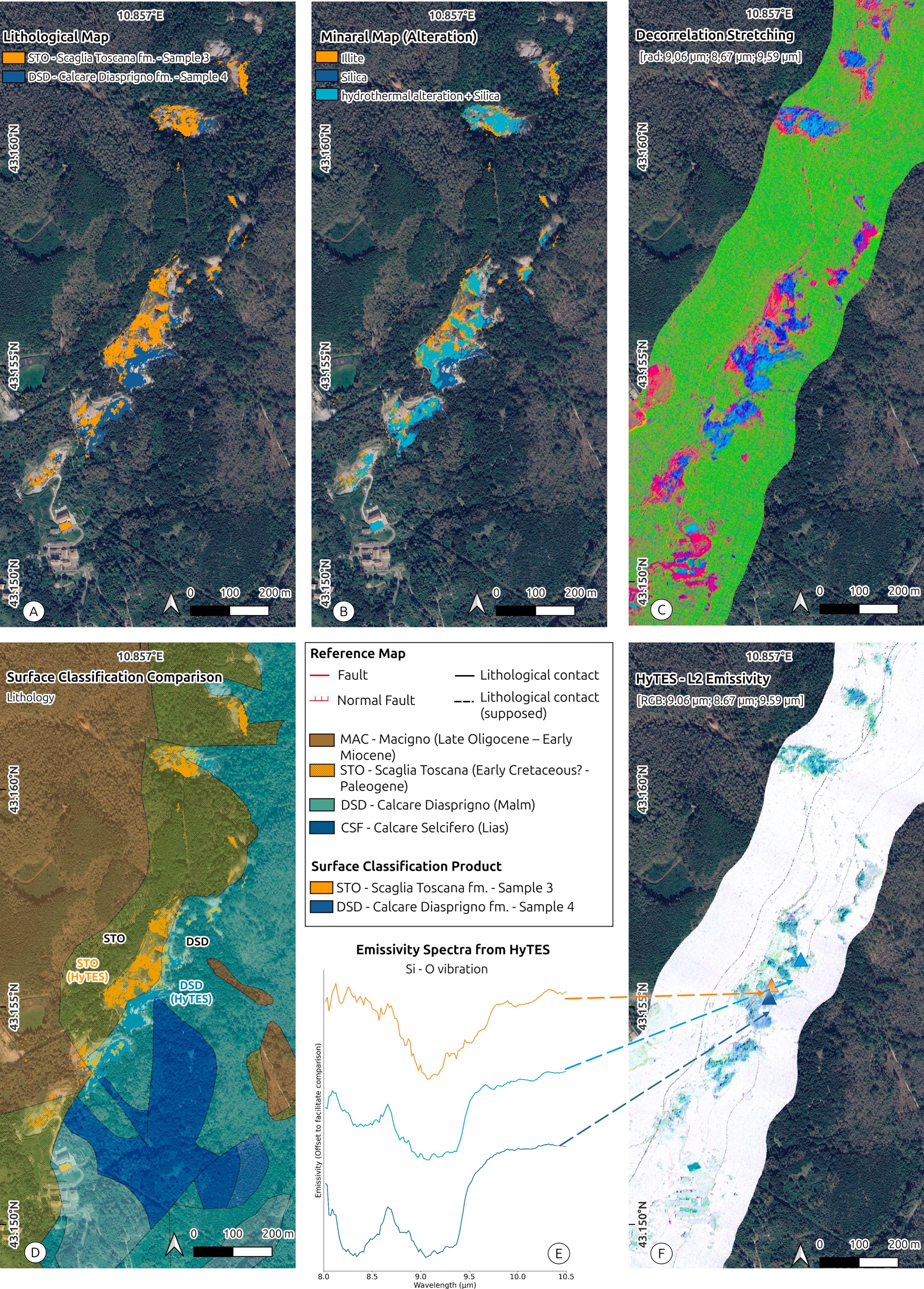
New Paper: Mapping Lithology and Mineral Alteration with Thermal Infrared Spectroscopy
A new paper co-authored by Dr. Pierrat in the International Journal of Applied Earth Observation and Geoinformation uses thermal infrared spectroscopy to map rock types and hydrothermal alteration in geothermally active areas.
Read more →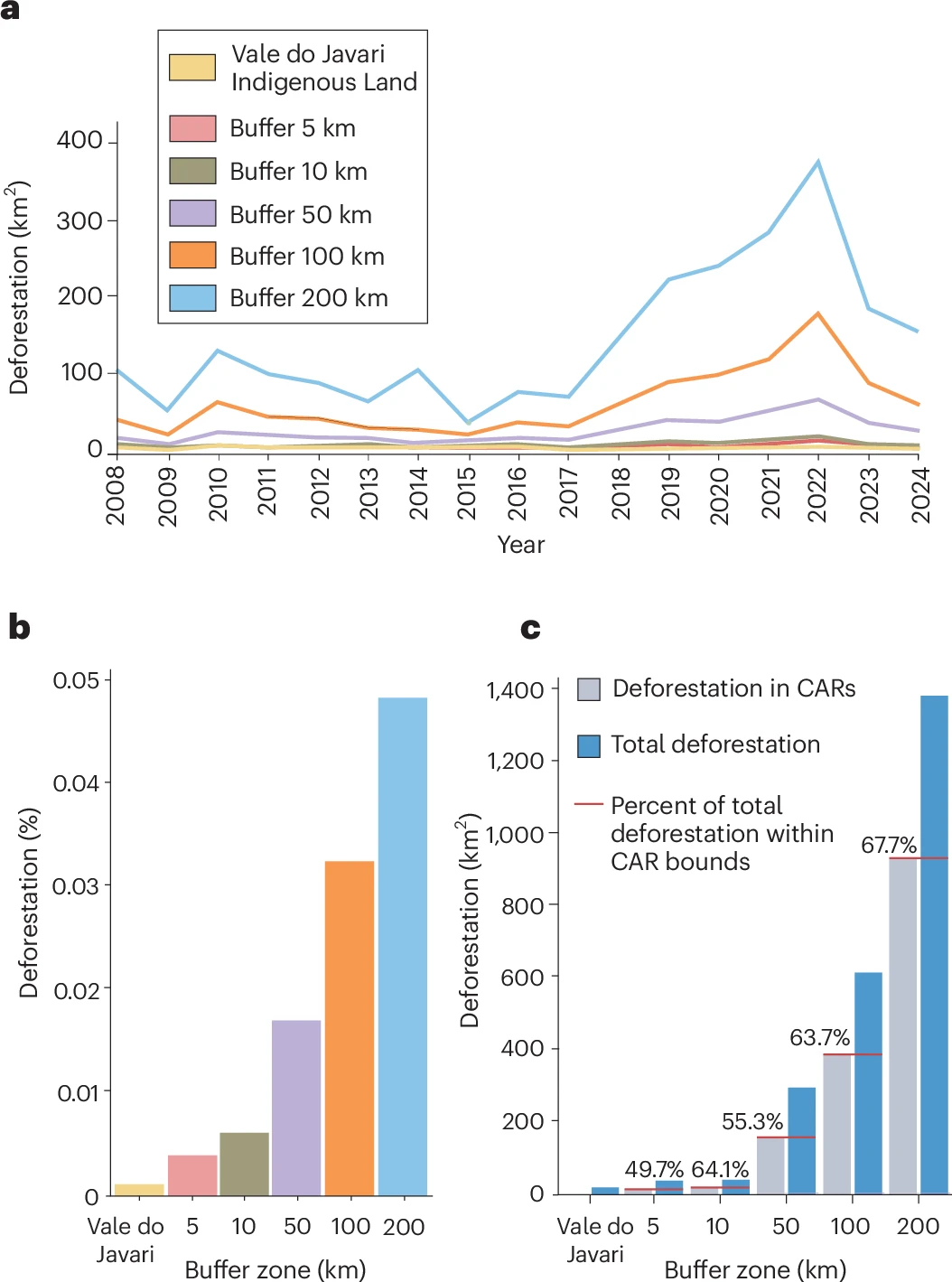
New Paper: Spiralling Frontier Threats in Indigenous Amazonia
A new paper co-authored by Dr. Pierrat in Nature Sustainability documents accelerating socio-environmental threats closing in on Indigenous Lands in the Brazilian Amazon.
Read more →
New Paper: Decoupled Carbon Assimilation and Growth in Oaks
A new paper co-authored by Dr. Pierrat in Science Advances shows oak photosynthesis and wood growth are decoupled across the season, with implications for forest carbon models.
Read more →Join the lab
We recruit graduate students and postdoctoral scholars through the UCSB Geography Department, and welcome new collaborations with researchers, agencies, and non-profits working on ecosystem remote sensing.
See current opportunities